Freehand Doodle Lines: A Creative Touch for Any Project
Freehand Doodle Lines is more than just a font—it's a versatile tool that brings a handcrafted feel to any design. Whether you're working on a personal project or a professional presentation, this unique dingbats font adds an artistic flair that stands out. Its organic, sketch-like lines make it perfect for adding a touch of creativity without overwhelming the overall look.
Unlike standard fonts, Freehand Doodle Lines isn’t meant to convey text in a traditional sense. Instead, it offers a collection of stylized lines and shapes that can be used as decorative elements. This makes it ideal for graphic designers, marketers, and educators who want to enhance visual content with a personalized, hand-drawn aesthetic.
What Makes Freehand Doodle Lines Unique?
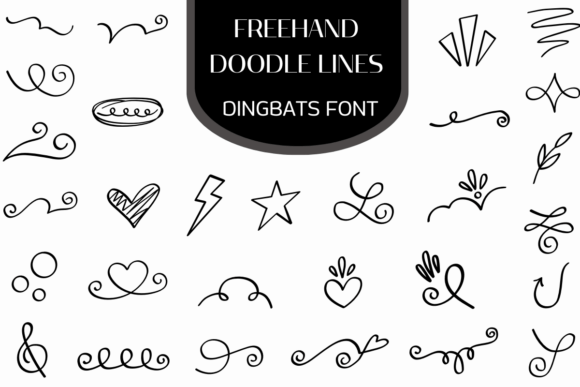
Freehand Doodle Lines is designed with a focus on simplicity and expressiveness. The font features a variety of line styles—curved, zigzag, wavy, and more—that mimic the natural flow of a pencil or pen. These elements aren't just for decoration; they can also serve functional purposes, such as separating sections, highlighting key points, or guiding the viewer’s eye through a layout.
One of its standout qualities is its flexibility. Because it’s a dingbats font, it doesn’t rely on letters or numbers. Instead, it provides a range of symbols that can be used creatively. This means you’re not limited by language or typography rules, giving you more freedom to experiment with your designs.
Practical Uses for Freehand Doodle Lines
From digital marketing to classroom materials, Freehand Doodle Lines has a wide range of applications. In marketing, it can be used to create eye-catching social media posts, banners, or infographics. The doodle-style lines add a playful yet professional vibe that resonates with modern audiences.
In educational settings, teachers and instructional designers can use Freehand Doodle Lines to break up dense text, illustrate concepts, or make learning materials more engaging. For example, using the font to create diagrams, flowcharts, or study guides can help students visualize complex ideas in a more approachable way.
Freelancers and small business owners often use this font to add a personal touch to their branding. Whether it’s a logo, business card, or website header, the hand-drawn style of Freehand Doodle Lines can help establish a unique identity that sets them apart from competitors.
Benefits of Using Freehand Doodle Lines
One of the main advantages of Freehand Doodle Lines is its ability to enhance user experience. By incorporating these doodle elements into your design, you can create a more inviting and visually interesting layout. This is especially useful in digital environments where attention spans are short and first impressions matter.
Another benefit is its ease of use. Since it’s a dingbats font, you don’t need to worry about spacing, alignment, or formatting issues that often come with traditional typography. Simply select the desired symbol and place it where it fits best. This streamlines the design process and saves time, making it a valuable asset for busy professionals.
How to Incorporate Freehand Doodle Lines Into Your Work
When starting with Freehand Doodle Lines, it’s important to consider how the font will complement your existing design. Too many doodle elements can overwhelm a layout, so it’s best to use them strategically. For instance, use a few well-placed lines to frame a section or draw attention to a headline.
Experimentation is key. Try different combinations of lines and shapes to see what works best for your project. You might find that certain styles pair well with specific color schemes or typefaces. Don’t be afraid to mix and match to achieve the desired effect.
For those new to dingbats fonts, start with simple projects before moving on to more complex designs. This allows you to build confidence and develop a better understanding of how the font behaves in different contexts.
Recommendations for Different Industries
Graphic designers looking to add a unique element to their work will find Freehand Doodle Lines to be a valuable addition to their toolkit. It can be used to create custom illustrations, borders, or background textures that give a project a one-of-a-kind look.
Marketers can leverage the font to create more dynamic and engaging content. Whether it’s for a blog post, email newsletter, or social media campaign, the doodle lines can help break up text and make the content more visually appealing.
Educators and content creators can use Freehand Doodle Lines to make their materials more interactive and engaging. By incorporating these elements into lesson plans, worksheets, or presentations, they can keep students and audiences more interested and involved.
Final Thoughts on Freehand Doodle Lines
Freehand Doodle Lines is a powerful tool that offers both aesthetic and functional benefits. Its handcrafted style adds a personal touch to any design, while its versatility makes it suitable for a wide range of applications. Whether you’re a designer, educator, marketer, or entrepreneur, this font can help elevate your work and make it stand out.
By using Freehand Doodle Lines thoughtfully, you can enhance the visual appeal of your projects and create a more engaging experience for your audience. So why not give it a try? Add it to your creative toolkit and discover the difference it can make in your next design.