Fruit Tree: A Bold, Playful Font for Eye-Catching Designs
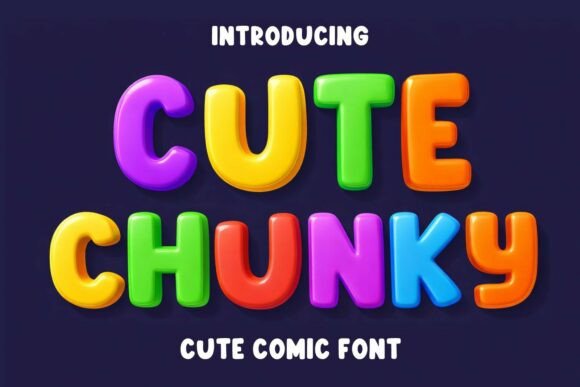
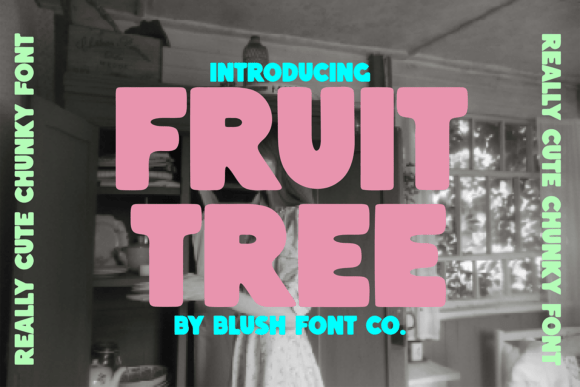
When it comes to making a statement with typography, few fonts can match the charm and impact of Fruit Tree. This oversized, chunky typeface is more than just a visual treat—it's a powerful tool that can elevate any design project. With its ultra-thick strokes and soft, rounded corners, Fruit Tree blends retro 1970s bubble-letter vibes with a modern, clean aesthetic. The result is a font that feels both nostalgic and fresh, perfect for capturing attention in a crowded digital or physical space.
Whether you're designing for a children's brand, crafting social media content, or working on product packaging, Fruit Tree offers a unique blend of personality and clarity. Its boldness ensures that your message stands out, while its playful curves add a touch of warmth and approachability. This combination makes it ideal for projects that need to be both eye-catching and easy to read.
What Makes Fruit Tree Stand Out?
Fruit Tree isn't just another font—it's a design choice that speaks volumes. Its defining features include:
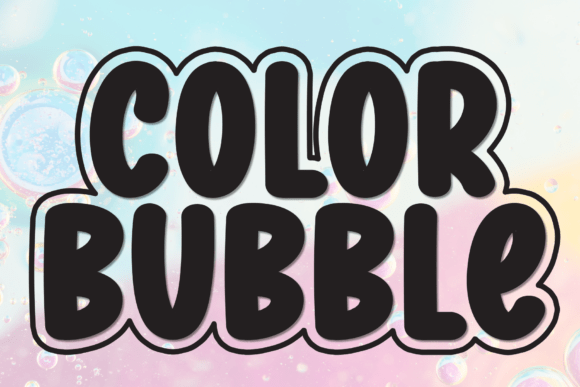
- Ultra-Thick Strokes: Each letter is built with thick, solid lines that give the font a strong, confident presence.
- Soft Rounded Corners: Unlike sharp, angular fonts, Fruit Tree has gentle curves that make it feel more inviting and friendly.
- Retro 70s Influence: The font channels the whimsical style of bubble letters from the 1970s, giving it a nostalgic yet modern appeal.
- High Contrast: The contrast between thick strokes and open spaces helps maintain readability even at larger sizes.
This distinctive look makes Fruit Tree especially effective for headings, logos, and other design elements where visibility and impact are key. It’s not just about looking good—it’s about communicating clearly and memorably.
Where Can You Use Fruit Tree?
The versatility of Fruit Tree means it can be used across a wide range of design applications. Here are some common scenarios where this font shines:
- Product Packaging: For brands looking to stand out on store shelves, Fruit Tree adds a bold, playful edge that draws the eye.
- Social Media Headers: Whether it's a YouTube channel banner or a Facebook cover photo, Fruit Tree helps create a strong visual identity.
- Children’s Branding: Its cute, friendly appearance makes it a natural fit for kids’ products, educational materials, and themed designs.
- Summer Posters and Banners: The font’s energetic look is perfect for promotional materials that need to feel fun and lively.
But Fruit Tree isn’t just for the obvious uses. It can also be a great choice for event invitations, signage, and even personal projects where you want to add a bit of flair without overcomplicating things.
Who Benefits From Using Fruit Tree?
Fruit Tree is particularly well-suited for designers, small business owners, and creators who want to make their work stand out. Here’s who might find it most useful:
- Business Owners: If you’re running a boutique, café, or kid-friendly business, Fruit Tree can help reinforce your brand’s personality and attract attention.
- Graphic Designers: For those looking to add a unique touch to their projects, Fruit Tree offers a fresh alternative to standard fonts.
- Content Creators: Social media managers and influencers can use Fruit Tree to make their posts more engaging and visually striking.
- Teachers and Educators: When creating materials for younger students, Fruit Tree can make learning more fun and accessible.
Its broad appeal means that Fruit Tree can be a valuable addition to almost any designer’s toolkit—especially when the goal is to create something that’s both readable and memorable.
Strengths and Considerations
While Fruit Tree has many strengths, it’s important to consider how it fits into your specific needs. Here are some of its key advantages and potential limitations:
- High Visual Impact: The font’s boldness makes it excellent for headlines and titles where you want to grab attention.
- Easy to Read: Despite its thickness, Fruit Tree maintains good legibility, especially at larger sizes.
- Playful and Versatile: It works well in both casual and professional settings, depending on how it’s applied.
- Not Ideal for Long Text: Due to its thick strokes and rounded shapes, Fruit Tree may not be the best choice for body text or long paragraphs.
- May Require Adjustments: Depending on the platform or software, you may need to tweak spacing or sizing to get the best results.
Understanding these factors can help you decide whether Fruit Tree is the right choice for your project. It’s a font that excels in certain contexts but may not be the best fit for every design challenge.
Real-World Applications of Fruit Tree
To better understand how Fruit Tree can be used, let’s look at a few real-world examples:
- Children’s Book Covers: A publisher might use Fruit Tree to create an inviting, colorful cover that appeals to young readers.
- Ice Cream Shop Signage: A local ice cream shop could use Fruit Tree for signs and menus to convey a fun, summery vibe.
- Marketing Campaigns: A company launching a new product line might use Fruit Tree in their advertisements to make the messaging more engaging and eye-catching.
- Personal Branding: An influencer or artist might incorporate Fruit Tree into their logo or social media profile to create a distinct, recognizable identity.
These examples show how Fruit Tree can be adapted to different styles and purposes, making it a flexible choice for a variety of creative projects.
How to Evaluate if Fruit Tree Is Right for Your Project
If you're considering using Fruit Tree, here are a few steps to help you determine if it’s the right fit:
- Define Your Goals: Ask yourself what you want to achieve with your design. Is it to grab attention, convey a playful tone, or create a strong visual identity?
- Test It Out: Try using Fruit Tree in different sizes and contexts to see how it looks and reads.
- Consider Your Audience: Does the font align with the tone and expectations of your target audience?
- Check for Legibility: Ensure that the font remains clear and readable, especially in smaller sizes or on different backgrounds.
By taking these steps, you can make a more informed decision about whether Fruit Tree will enhance your design or if another font might be a better option.
In the end, Fruit Tree is more than just a font—it’s a design choice that brings energy, character, and a sense of fun to any project. Whether you're a professional designer or someone looking to add a little flair to your work, Fruit Tree offers a unique way to express creativity while maintaining clarity and impact. With its blend of retro charm and modern appeal, it’s a font that’s hard to ignore—and even harder to forget.