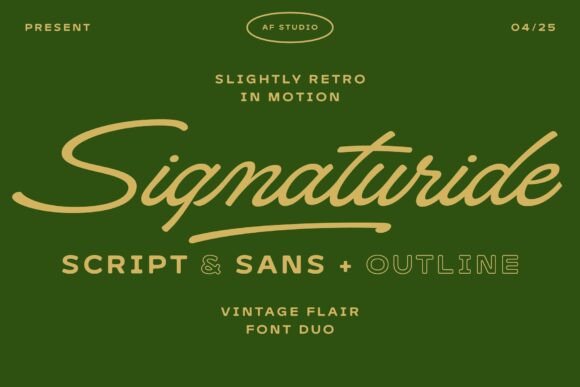
Signaturide: A Vintage-Inspired Font for Modern Design
When it comes to typography, the right font can make all the difference in conveying a message, setting a tone, or establishing a brand identity. Signaturide is a unique font duo that blends retro charm with modern functionality, making it an excellent choice for designers, businesses, and creators looking to add character and style to their work. With its dynamic pairing of script and sans-serif styles, Signaturide offers both expressive motion and contemporary usability.
What Is Signaturide?
Signaturide is more than just a font—it’s a design concept that captures the essence of mid-century aesthetics while remaining adaptable to today’s design needs. This vintage-inspired font duo consists of two distinct styles: a flowing script and a clean, modern sans-serif. Together, they create a harmonious balance between old-world elegance and modern clarity.
The script style of Signaturide evokes the handwritten signatures and artistic flourishes of the past, giving any text a personal and authentic feel. Meanwhile, the sans-serif counterpart provides a strong, legible foundation that works well in a variety of contexts. This combination allows for creative flexibility, whether you're designing a logo, crafting a headline, or developing a full branding package.
Key Features of Signaturide
One of the standout features of Signaturide is its versatility. It’s designed to work across different mediums, from print to digital, ensuring consistent visual appeal in any format. The font also includes a wide range of characters, symbols, and ligatures, making it suitable for both simple and complex typographic layouts.
- Dynamic Script Style: Adds a sense of movement and personality to text.
- Clean Sans-Serif Style: Offers clarity and readability for body text and headings.
- Vintage Inspiration: Draws from mid-century design elements without being outdated.
- Modern Usability: Designed with current design standards in mind for seamless integration.
Where Can You Use Signaturide?
Signaturide is ideal for a wide range of applications, particularly those that benefit from a mix of tradition and innovation. Its unique characteristics make it a popular choice for branding, editorial design, packaging, and web development.
For businesses, Signaturide can help create a memorable brand identity that stands out in a competitive market. Whether you’re launching a new product line or rebranding an existing company, this font adds a touch of sophistication and individuality. In editorial design, it can be used for magazine titles, book covers, or website headers to give a publication a distinctive look.
Packaging design is another area where Signaturide shines. Its script style can be used for product names or taglines, while the sans-serif version ensures that essential information remains clear and easy to read. For web developers, the font is compatible with most design tools and can be easily integrated into websites, apps, and digital campaigns.
Who Benefits From Using Signaturide?
Signaturide is especially beneficial for small business owners, independent designers, and creative professionals who want to elevate their visual content without compromising on clarity or functionality. It’s also a great option for anyone interested in vintage aesthetics but looking for a practical solution that fits modern workflows.
Artists and illustrators may find Signaturide useful for adding a handcrafted feel to their work, while marketers and advertisers can use it to create eye-catching headlines and promotional materials. Its adaptability makes it a valuable tool for anyone involved in visual communication, regardless of their level of experience.
Strengths and Considerations
One of the main strengths of Signaturide is its ability to blend nostalgia with modernity. It doesn’t simply mimic the past; it enhances it with contemporary design principles. This makes it a versatile choice for projects that require both authenticity and relevance.
However, like any font, there are considerations to keep in mind. The script style, while elegant, may not be suitable for long blocks of text due to its decorative nature. In such cases, the sans-serif version can serve as a complementary alternative. Additionally, while the font is highly readable, it’s important to test it in different sizes and formats to ensure optimal performance.
Real-World Applications of Signaturide
Let’s explore some real-world scenarios where Signaturide has been successfully used. A boutique clothing brand might use the script style for its logo and the sans-serif for product descriptions, creating a cohesive yet distinctive look. A coffee shop could incorporate the font into its signage and menu design, giving customers a warm, inviting atmosphere that reflects its brand values.
In the digital space, a blog or online store might use Signaturide for headlines and call-to-action buttons, drawing attention while maintaining a professional appearance. For a wedding planner, the font could be used in invitations and promotional materials, adding a touch of timeless elegance to every piece.
Evaluating Suitability for Your Project
Before deciding to use Signaturide, it’s important to consider your specific needs and goals. Ask yourself: What message do I want to convey? What visual style aligns with my brand or project? How will the font perform in different formats and sizes?
If you’re aiming for a nostalgic or artisanal feel, Signaturide is an excellent choice. However, if your project requires a more minimalist or technical approach, you may need to pair it with other fonts or adjust your design strategy accordingly. Testing the font in different contexts can help you determine its effectiveness and suitability.
Ultimately, the success of any font depends on how well it serves its purpose. Signaturide offers a unique combination of style and function, making it a valuable addition to any designer’s toolkit. Whether you’re working on a personal project or a professional campaign, this font has the potential to elevate your work and leave a lasting impression.